Hot water is something most homeowners rely on every day without much thought. From showers and laundry to dishwashing and cleaning, consistent hot water pressure helps household tasks run smoothly. When the hot water pressure suddenly drops, however, it can quickly become frustrating and inconvenient.
Low hot water pressure can appear in a single fixture or affect the entire home. In some cases, the issue may develop gradually as plumbing components age or accumulate buildup. In other situations, the problem may appear suddenly due to a malfunctioning water heater or blockage within the plumbing system. Understanding the most common causes of low hot water pressure can help homeowners identify the issue early and seek professional help when necessary.
Sediment Buildup Inside the Water Heater
One of the most frequent causes of reduced hot water pressure is sediment buildup inside the water heater tank. Over time, minerals from the water supply settle at the bottom of the tank. These mineral deposits gradually accumulate and can begin to interfere with normal water flow.
As sediment collects inside the tank, it can partially block the outlet where hot water exits the heater. This restriction slows water flow and reduces pressure at faucets and showerheads. Homes with hard water tend to experience this problem more frequently because mineral content is higher.
Routine flushing of the water heater helps remove sediment buildup and restore proper water flow. Professional plumbers can safely flush the tank and inspect the system for additional issues that may be affecting performance.
Partially Closed or Faulty Shut-Off Valves
Water heaters typically have shut-off valves that control the flow of water entering and leaving the tank. If one of these valves becomes partially closed or begins to fail, it can restrict water flow and reduce pressure.
Sometimes valves are accidentally adjusted during maintenance or repairs in the home. In older plumbing systems, valves may also corrode or wear down over time. When a valve does not fully open, it limits the amount of hot water that can travel through the pipes.
A plumbing professional can inspect the valves connected to the water heater and ensure they are functioning properly. In many cases, a simple adjustment or replacement restores normal pressure.
Mineral Buildup in Pipes
Hard water contains dissolved minerals such as calcium and magnesium. As hot water travels through the plumbing system, these minerals can gradually attach to the interior walls of pipes.
Over time, this mineral buildup narrows the inside diameter of the pipes. As the space for water flow decreases, pressure can drop significantly at faucets and fixtures. Because hot water often accelerates mineral buildup, the hot water lines may become restricted sooner than cold water pipes.
If mineral buildup becomes severe, professional plumbing service may be necessary to clean or replace affected sections of pipe. Experienced technicians can evaluate the condition of the plumbing system and recommend the most effective solution.
Corroded or Aging Plumbing Pipes
Older homes may contain galvanized steel pipes that are especially vulnerable to corrosion. As these pipes age, rust and corrosion develop inside the pipe walls. This corrosion gradually restricts water flow and reduces pressure throughout the system.
Hot water pipes are often affected more quickly because heat accelerates the corrosion process. In homes with older plumbing systems, low hot water pressure may be one of the first signs that the pipes are beginning to deteriorate.
Replacing outdated pipes can significantly improve water pressure and protect the home from future plumbing issues. A licensed plumber can inspect the plumbing system and determine whether pipe replacement is necessary.
Problems With the Water Heater Dip Tube
Inside most water heaters is a component called a dip tube. The dip tube directs incoming cold water to the bottom of the tank so that it can be heated efficiently before entering the plumbing system.
If the dip tube becomes damaged, cracked, or deteriorated, it may affect how water flows through the tank. This disruption can lead to uneven heating and reduced pressure when hot water travels through the pipes.
Dip tube problems are not always easy to detect without a professional inspection. Plumbers trained in water heater services can examine the internal components of the water heater and replace faulty parts when needed.
Clogged Faucet Aerators or Showerheads
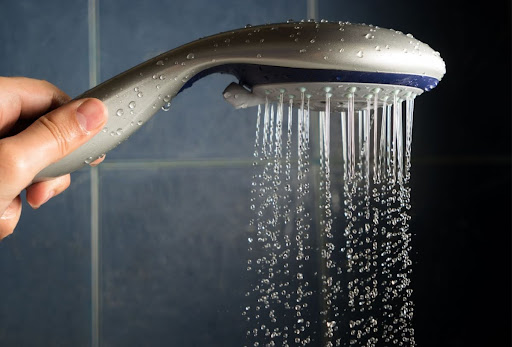
Sometimes, low hot water pressure is caused by a much simpler issue at the fixture itself. Faucet aerators and showerheads contain small screens that help control water flow and prevent debris from entering the fixture.
Mineral deposits from hot water can accumulate inside these screens, gradually restricting water flow. When this buildup becomes severe, it may appear that hot water pressure is low when the issue is actually located at the fixture.
Cleaning or replacing the aerator or showerhead can often restore proper water flow. If multiple fixtures throughout the home show similar symptoms, however, the issue may lie deeper within the plumbing system.
Malfunctioning Pressure Regulator
Some homes include a pressure regulator that controls the amount of water pressure entering the plumbing system. If the regulator begins to malfunction, it may reduce pressure unevenly throughout the home.
Because hot water travels through additional components such as the water heater, the effects of a failing regulator may appear more noticeable in hot water lines. When the regulator fails, homeowners may notice inconsistent pressure at various fixtures.
A plumber can test the pressure regulator and determine whether adjustment or replacement is necessary.
Hidden Plumbing Leaks
Leaks in hot water pipes can also lead to reduced pressure. When water escapes from a damaged pipe, less water reaches the intended fixtures. Even a small leak can cause noticeable pressure changes over time.
Hot water leaks may occur behind walls, beneath floors, or near the water heater. Signs of a hidden leak may include increased utility bills, damp areas near plumbing lines, or unexplained moisture in the home.
Professional plumbers have the tools needed to detect hidden leaks and repair them quickly before further damage occurs.
Water Heater Size or Performance Issues
Sometimes, low hot water pressure is not caused by the plumbing system but by the water heater itself. If the water heater is undersized for the household's needs or struggling to keep up with demand, it may deliver water less efficiently.
Older water heaters may also experience performance issues as internal components wear down. In these cases, upgrading to a new unit may improve both water pressure and energy efficiency.
Professional plumbers can evaluate the condition of the current system and determine whether repair or replacement is the best option.
Why Professional Diagnosis Is Important
Low hot water pressure can result from several different plumbing problems. While some issues may appear minor, others may indicate larger concerns within the plumbing system or water heater.
Professional plumbers use specialized tools and inspection techniques to locate the source of the problem. Rather than relying on guesswork, a thorough inspection allows technicians to recommend targeted repairs that restore water pressure and prevent future issues.
Prompt attention also helps protect the plumbing system from more serious damage that could lead to leaks, pipe failure, or water heater breakdown.
Call S and J Plumbing for Expert Help
If you are experiencing low hot water pressure in your home, the experienced team at S and J Plumbing is ready to help. We provide reliable plumbing services in Arlington Heights, IL, and the surrounding areas, designed to keep your plumbing system operating efficiently.
Our skilled plumbers can inspect your water heater, evaluate your plumbing system, and identify the cause of pressure problems. From repairs and maintenance to full system upgrades, we provide dependable solutions that restore comfort and reliability to your home.
Contact S and J Plumbing today to schedule service and get your hot water pressure back to normal!