A burst pipe or a fast-leaking water heater can cause a surge of panic and create significant damage in minutes. In these moments, knowing how to shut off your home's water supply is your most powerful first step. It is the action that stops the damage and gives you control.
S and J Plumbing believes every Illinois homeowner should feel this sense of command over their own home. That's why we're laying out everything you need to know to stop water fast when disaster strikes.
For a complete resolution to your urgent plumbing issues, reach out to our team for emergency services. We also offer routine maintenance through our S&J Friends & Family Club, which can help prevent future plumbing fiascos. Contact us today to learn more about protecting your home!
Understanding Your Home’s Water Shut-Off Options
Every home has two primary ways to stop water flow: a main water shut-off valve and smaller fixture-specific valves. The main shut-off controls all water coming into the house and is often found in basements, crawl spaces, garages, or near the water meter outside. Fixture-specific valves control the supply to a single location, such as a toilet, sink, or appliance, and are usually placed under or behind the unit they serve. Familiarity with these valves means you can react quickly, preventing more serious damage during an emergency.
How to Locate and Shut Off the Main Water Supply
Shutting off your main water supply stops all water flow into your home, making it your most powerful tool during a major plumbing emergency. Here's how to find it and turn it off quickly:
- Find the Valve: Begin your search on the perimeter of your basement or crawl space. Look for a pipe coming through an exterior wall, often near your water meter. This is the water service line, and the main shut-off valve will be on this pipe.
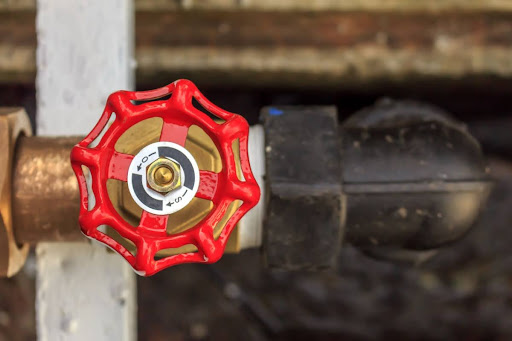
- Turn Off a Gate Valve: For a gate valve with a round handle, turn it clockwise. You may need to turn it several times until it gently stops. Do not force it.
- Turn Off a Ball Valve: For a ball valve with a lever handle, turn the lever a quarter-turn (90∘). The valve is open when the handle is parallel to the pipe and closed when it is perpendicular.
- Verify It Is Off: After closing the valve, open a faucet in your home, preferably one on a top floor or far from the main valve. The water flow should slow to a trickle and then stop completely.
Shutting Off Water to Individual Fixtures
If the leak is contained to a single area, like an overflowing toilet or a leaking faucet, you can often stop the problem without shutting off water to the whole house. This allows you to continue using water elsewhere while you wait for a professional.
- Toilets: Look at the wall or floor behind the toilet base. You will see a small, oval-handled valve connected to a flexible water line that runs up to the tank. Turn this handle clockwise until it stops.
- Sinks: Check in the cabinet directly beneath the sink. You will see two separate valves, one for hot water and one for cold, connected to flexible lines running up to the faucet. Turn both handles clockwise to shut off all water to the faucet.
- Washing Machines: Pull the appliance away from the wall to access the water connections. You should see two spigots, similar to what you would use for a garden hose, one for hot and one for cold. Turn both handles clockwise to close them.
What to Do After the Water Is Shut Off
Once you have successfully stopped the flow of water, you have won the initial battle. Next, open a few faucets around your home to drain any water remaining in the pipes. This helps relieve pressure in the system.
With the immediate crisis averted, your next step is to call a professional plumber. A quick response can make all the difference in diagnosing the issue correctly and performing a lasting repair. While you wait, you can begin to clean up any standing water to help limit potential water damage to floors, walls, and furniture.
Preventing Future Plumbing Emergencies
Routine inspections and maintenance keep your plumbing in shape and help you spot problems before they cause damage. Check pipes for signs of wear, look for slow leaks under sinks, and flush your water heater as recommended. Also, join our S&J Friends & Family Club that gives you peace of mind with regular checkups, priority scheduling, and special discounts on repairs and replacements.
Turn to S and J for More Emergency Plumbing Tips & Services
Plumbing emergencies can be stressful, but having the right knowledge makes all the difference. At S and J Plumbing, we are proud to serve our Illinois neighbors with expert care, friendly service, and dependable solutions.
Call us any time for emergency plumbing services or to sign up for our S&J Friends & Family Club so your home stays protected year-round. Your water problems will be in the hands of people who care about keeping your home safe, dry, and comfortable.