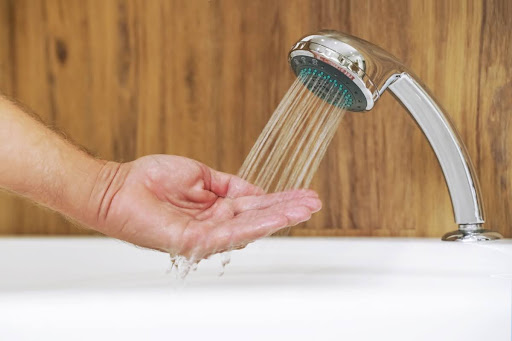
Few things test your patience quite like waiting for hot water that takes forever to arrive. You turn on the faucet expecting warmth, but instead, you’re left tapping your foot while the water runs cold. It’s a small daily inconvenience that can make mornings feel longer and showers a little less relaxing.
Slow-heating water can signal that something is off with your plumbing or your water heater. Let’s take a closer look at why this happens and what you can do about it before it turns into a bigger problem.
Your Water Heater May Be Too Small for Your Household
If your family has grown or your water usage has changed, your water heater might be struggling to keep up. Standard tank-style heaters have a limited capacity, and once that tank runs out of hot water, you must wait for it to refill and reheat.
If you notice that hot water runs out faster than it used to, your unit could be undersized for your current needs. This is especially common in households with multiple bathrooms or busy mornings when several people are showering back-to-back. Upgrading to a larger tank or considering a tankless system can make a big difference in keeping the hot water flowing steadily.
Sediment Buildup in the Tank
Over time, minerals in your water settle at the bottom of the tank. This layer of sediment creates a barrier between the heating element and the water itself, forcing the heater to work harder to produce hot water. The result is slower heating and higher energy bills.
If your home has hard water, this problem can happen faster than you might expect. Regular flushing and maintenance help remove the buildup and restore efficiency. A technician who specializes in water heater services can handle this safely and prevent future problems.
A Faulty Heating Element
In electric water heaters, the heating elements do the heavy lifting. If one of them wears out or stops working, your unit may still produce some hot water, just not as quickly as before. You might notice the water getting warm, but never reaching the temperature it used to.
Replacing a heating element is a straightforward repair for a professional plumber. They can test the system, pinpoint the faulty part, and install a new one without disrupting your household routine.
The Thermostat Is Set Too Low
Sometimes, the problem is simpler than you might think. If your thermostat is set too low, the water heater takes longer to reach your preferred temperature. This can happen after a service visit, a power outage, or even by accident.
Check your water heater’s thermostat setting. Most homes do well around 120 degrees Fahrenheit. This temperature strikes a good balance between comfort and energy efficiency while keeping bacteria at bay. If adjusting it doesn’t help, there may be another issue at play.
Long Pipe Runs or Poor Insulation
If it takes a long time for hot water to reach a distant bathroom or kitchen, your pipes could be the reason. Hot water cools as it travels, especially through long, uninsulated pipes. The longer the distance between your heater and your faucet, the more heat is lost along the way.
Pipe insulation can make a big improvement in these cases. It keeps water hotter for longer periods, reducing the time you spend waiting. For larger homes, installing a recirculation system may be worth considering since it helps deliver hot water more quickly to every tap.
Aging Water Heater
Water heaters don’t last forever. Most tank units last about eight to 12 years, while tankless systems can run longer with proper maintenance. As they age, internal components start wearing down, causing performance issues such as slower heating, inconsistent water temperature, and higher energy consumption.
If your unit is approaching the end of its lifespan, replacing it might save you money in the long run. Newer models are more efficient and heat water faster, helping your home run more smoothly.
Mineral Deposits Inside the Pipes
Just like sediment builds up in the tank, minerals can also accumulate inside your pipes. This narrows the passageway, reducing water flow and slowing the rate at which hot water reaches your faucet. Homes with hard water are particularly prone to this issue.
A plumber can inspect your plumbing system and identify if mineral buildup is restricting your flow. In some cases, professional cleaning or pipe replacement may be needed to restore normal water pressure and heating time.
Issues With the Dip Tube
Inside your water heater tank is a dip tube that directs incoming cold water to the bottom, where it gets heated. If this tube cracks or breaks, the cold water can mix with the hot water near the top. This creates uneven temperatures and slower heating times.
Replacing a dip tube is a simple job for an experienced plumber. It’s one of those small parts that can make a big difference in your system’s performance.
Cold Weather and Plumbing Placement
If your water heater is located in a cold part of your home, like a garage or basement, chilly temperatures can slow down the heating process. The surrounding air cools the tank and the pipes, meaning your water heater has to work harder to maintain the same temperature.
Adding insulation around the heater and pipes can help protect against heat loss, especially during the winter months. It’s a small investment that can make your water heater more efficient year-round.
Old or Worn-Out Mixing Valves
Many homes have mixing valves that blend hot and cold water to regulate temperature at the faucet. When these valves start to fail, they can restrict hot water flow or cause inconsistent temperatures.
A plumber can test and replace faulty valves quickly. This repair not only helps with slow-heating water but also prevents sudden temperature spikes during showers.
Inconsistent Water Pressure
If you have noticed reduced water pressure in your home, it could be contributing to slow hot water delivery. Low pressure can delay how quickly water travels through the pipes and into your fixtures.
This issue may stem from a clogged aerator, a partially closed valve, or buildup within the plumbing lines. A professional inspection can pinpoint the cause and restore proper flow.
When to Call a Professional
If you have checked the simple fixes and your water still takes forever to heat up, it might be time for expert help. Problems with the heating element, thermostat, or sediment buildup require specialized tools and knowledge to address safely.
Avoid trying to take the system apart yourself. Working with a professional saves time, reduces risk, and helps protect your warranty.
Keep the Hot Water Flowing With S and J Plumbing
Waiting for hot water shouldn’t be part of your daily routine. If your water heating system seems sluggish, reach out to the team at S and J Plumbing for expert assistance. Our specialists in Arlington Heights, IL, handle everything from routine tune-ups to full water heater installations with care and precision.
We provide dependable water heater services designed to restore comfort, improve efficiency, and help your home run more smoothly. If the problem turns urgent, our emergency plumbers are available to get your system back in working order.
A slow-heating water supply may feel minor, but it is often a sign of something deeper within your plumbing. Don’t let it linger. Contact S and J Plumbing today to bring back the hot water you depend on!