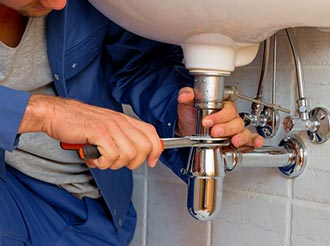
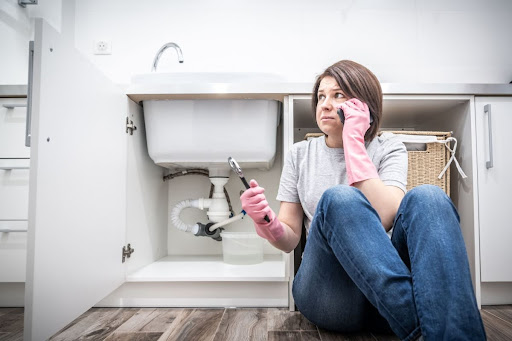
A slow-draining laundry sink may seem like a minor inconvenience at first, but it often signals a larger plumbing issue developing behind the scenes. Laundry sinks handle more than just water, since they collect lint, detergent residue, and debris from everyday household tasks. When drainage slows, ignoring the problem can increase the risk of water damage, basement flooding, and plumbing emergencies.
Understanding why a laundry sink drains slowly helps homeowners take the right steps before the issue escalates. From simple maintenance concerns to more serious pipe or sewer problems, several factors can affect how efficiently water flows through this plumbing fixture.
Why Laundry Sinks Are Prone to Drain Problems
Laundry sinks are typically located in basements or utility rooms, which places them closer to main drain lines and sewer connections. These sinks are often used to wash tools, clean paintbrushes, and dispose of dirty water that would not go down a kitchen or bathroom sink. Over time, this heavy use takes a toll on the drain system.
Because laundry sinks are sometimes overlooked during routine plumbing maintenance, small drainage issues can develop unnoticed. What begins as slow drainage can eventually lead to sewage backups or flooding if left unresolved.
Lint and Debris Buildup in the Drain
One of the most common causes of a slow-draining laundry sink is lint buildup. Washing machine discharge lines can discharge lint, fabric fibers, and residue into the sink or the connected drain pipe. This material clings to pipe walls and traps additional debris. Lint buildup often combines with:
- Soap residue from detergents
- Dirt and grit from work clothing
- Hair and debris from cleaning tasks
As the buildup thickens, water flow is restricted, resulting in slow drainage and standing water in the sink.
Detergent and Soap Residue Accumulation
Laundry detergents and cleaning agents contain ingredients that can leave residue inside drain pipes. Over time, this residue hardens and narrows the pipe interior. Unlike a single clog, residue buildup spreads gradually along the pipe, making it harder to remove without professional drain cleaning.
This problem is especially common in older residential plumbing systems, where pipe materials may already be prone to buildup. Regular plumbing service helps prevent residue buildup before it causes major drainage issues.
Partial Blockages in the Main Drain Line
A slow-draining laundry sink may indicate a blockage further upstream in the plumbing system. When a main drain or branch line becomes partially blocked, water from lower fixtures struggles to move through the system. Signs of a main drain issue include:
- Slow draining at multiple fixtures
- Gurgling sounds from drains
- Occasional backups during heavy water use
In these cases, sewer cleaning or camera inspection by a plumber helps identify the source of the blockage and the best repair option.
Improper Pipe Slope or Installation Issues
Drain pipes rely on proper slope to move water efficiently. If the pipe connected to the laundry sink was installed incorrectly or has shifted over time, gravity may not be helping water flow as intended.
Installation problems can occur during home updates or water heater installation projects when plumbing lines are adjusted. A plumbing contractor can inspect pipe alignment and recommend corrections if needed.
Grease and Oil in Utility Drains
Although laundry sinks are not kitchen fixtures, they sometimes receive greasy water from cleaning tools or containers. Grease coats pipe walls and captures debris, forming stubborn blockages that restrict drainage.
Once grease hardens inside a pipe, basic flushing rarely solves the issue. Professional plumbing services remove buildup safely without damaging the pipe.
Mineral Buildup in Older Plumbing Systems
Homes with hard water often experience mineral deposits inside pipes. These deposits reduce pipe diameter and slow water flow throughout the plumbing system. Laundry sinks in basements may show symptoms first because of their proximity to main lines. Mineral buildup can affect:
- Drain pipes
- Water heater connections
- Plumbing fixtures throughout the home
Water filter systems and routine plumbing maintenance help reduce mineral-related drainage issues.
Sump Pump and Basement Drain Interactions
In basements, laundry sink drains may connect near sump pump systems or floor drains. When sump pump discharge lines or basement drains experience issues, water movement through nearby plumbing can slow.
Poor basement drainage increases flood risk and water damage during heavy use or storms. Regular inspection of sump pump operation and drain pathways helps maintain proper flow.
Warning Signs That Call for Professional Help
A slow-draining sink does not always require emergency plumbing service, but certain signs indicate a larger issue. Recognizing these early can prevent plumbing emergencies. Contact a plumber if you notice:
- Water backing up into the sink
- Standing water that drains very slowly
- Foul odors coming from the drain
- Signs of water damage near the sink
These symptoms may signal a blockage that requires professional repair or sewer cleaning.
Why DIY Fixes Often Fall Short
Store-bought drain products may provide temporary relief but often fail to address the root cause. Chemical cleaners can damage pipes and contribute to long-term plumbing issues. Professional plumbers use tools such as drain cameras to accurately locate blockages. This approach enables targeted repair rather than guesswork.
Preventing Future Laundry Sink Drain Problems
Preventive care is important for keeping laundry sinks draining properly. Small habits and regular service reduce the risk of major issues. Helpful prevention steps include:
- Cleaning lint traps and discharge lines
- Avoiding disposal of grease or debris
- Scheduling routine plumbing inspection
- Using professional drain cleaning as part of maintenance
A residential plumbing service visit helps identify developing issues before they turn into emergencies.
Call S and J Plumbing for Professional Drain Solutions
If your laundry sink drains slowly or shows signs of a developing problem, contact S and J Plumbing for expert help. We provide trusted plumbing services, thorough inspections, and reliable repair solutions for residential plumbing systems. Call today to schedule service and work with a plumbing company that understands how small drain issues can lead to larger problems if left unaddressed.