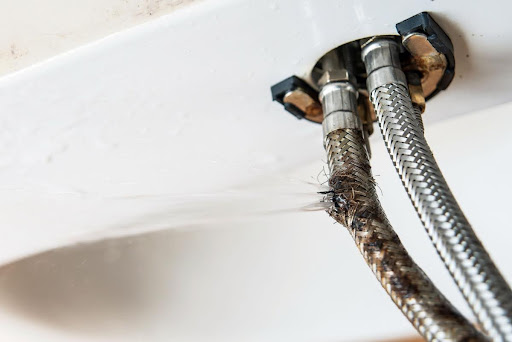
Burst pipes are one of the most disruptive plumbing emergencies a homeowner can face. A single failure can release gallons of water into walls, floors, basements, and living spaces in minutes, leading to costly water damage and long cleanup timelines. Understanding why pipes burst and how to prevent them gives homeowners greater control over their plumbing system and reduces the risk of an unexpected flood.
Plumbing systems are designed to last, but age, pressure, temperature changes, and lack of maintenance all contribute to pipe failure. Knowing the warning signs and common causes makes it easier to take action before a small issue becomes a full-scale emergency.
Common Reasons Pipes Burst in Residential Plumbing
Pipes rarely fail without warning. In most cases, several factors contribute to the final break. Recognizing these conditions early can help homeowners schedule service before damage occurs.
Freezing Temperatures and Expanding Water
Cold weather is one of the most well-known causes of burst pipes. When water freezes in a pipe, it expands, increasing internal pressure. That pressure builds until the pipe cracks or splits, often in basements, crawl spaces, exterior walls, or unheated areas.
Even pipes that do not freeze completely can burst if ice forms and blocks the flow. Pressure builds between the blockage and the closed end of the pipe, which can lead to failure once temperatures shift.
Aging Pipes and Material Wear
Older plumbing systems are more vulnerable to damage. Pipes made from outdated materials or those in service for decades naturally weaken over time. Common age-related issues include:
- Corrosion inside metal pipes
- Thinning pipe walls
- Mineral buildup restricting water flow
As pipes age, they become less able to withstand normal water pressure, increasing the likelihood of bursts.
High Water Pressure and Sudden Pressure Changes
Residential plumbing is designed to operate within a specific pressure range. Excess pressure places stress on pipes, plumbing fixtures, valves, and connections. Over time, this stress can cause cracks or joint failures. Pressure spikes may occur due to municipal supply changes, faulty pressure regulators, or closed valves during plumbing service or installation work.
Clogs and Blockages
A severe drain blockage or frozen section of pipe can trap water and raise internal pressure. This situation is especially common in sewer lines, kitchen plumbing, or bathroom drains when buildup restricts normal flow. In some cases, sewage backups from sewer line blockages increase pipe stress and lead to eventual failure.
Where Burst Pipes Cause the Most Damage
The location of a burst pipe affects the extent of damage and how quickly it is noticed. Some failures remain hidden until water damage spreads.
Basements and Utility Areas
Basements often house main water lines, water heaters, plumbing connections, sump pump systems, and boilers. A burst pipe in this area can lead to flooding that affects foundations, stored items, and mechanical systems. Without proper flood control or pump operation, water can spread quickly throughout the lower levels.
Walls, Ceilings, and Floors
Pipes inside walls and ceilings can leak unnoticed for hours or days. By the time damage appears, insulation, drywall, and flooring may already be saturated. Leak detection tools, such as camera inspection equipment, help plumbers locate hidden pipe failures with less disruption.
Kitchens and Bathrooms
Kitchens and bathrooms contain a high concentration of plumbing fixtures. Burst pipes under sinks, behind toilets, or near bathtubs can damage cabinetry, flooring, and nearby rooms. Appliances like dishwashers and water filters also rely on small supply lines that can fail under pressure or freezing conditions.
Warning Signs Before a Pipe Bursts
Many plumbing emergencies provide subtle clues before a full failure occurs. Paying attention to these signs helps homeowners take action early. Warning signs include:
- Reduced water pressure at fixtures
- Unusual noises in pipes when water runs
- Discolored water from taps
- Damp spots on walls or ceilings
- Frequent drain backups or slow drainage
If any of these issues appear, a plumbing inspection can help identify risks and prevent further damage.
How to Reduce the Risk of Burst Pipes
Preventing burst pipes involves a combination of maintenance, awareness, and timely plumbing service. While no system is immune to failure, proactive care significantly reduces the risk of sudden emergencies.
Routine Plumbing Maintenance
Regular plumbing maintenance allows a plumber to identify wear, corrosion, or pressure problems before pipes fail. A residential plumbing service visit may include inspection of exposed pipes, water heaters, valves, and sump pump operation. Maintenance helps homeowners plan repairs rather than react to emergencies.
Insulating Vulnerable Pipes
Pipes located in unheated spaces benefit from proper insulation. Insulation helps moderate temperature changes and reduces the risk of freezing during cold weather. This step is especially important for pipes near exterior walls, garages, basements, and crawl spaces.
Monitoring Water Pressure
Installing or maintaining a pressure regulating valve helps protect pipes from excessive stress. A plumbing contractor can test water pressure and recommend adjustments if levels exceed safe limits. Balanced pressure also protects plumbing fixtures and supports longer system life.
Keeping Drains and Sewer Lines Clear
Regular drain and sewer cleaning reduces the risk of pressure buildup from blockages. This service supports proper flow and reduces strain on pipes throughout the home. Professional plumbing services avoid harsh chemical drain products that may weaken pipes over time.
What to Do When a Pipe Bursts
Despite preventive efforts, plumbing emergencies can still occur. Knowing how to respond limits damage and speeds recovery. Immediate steps include:
- Shut off the main water supply
- Turn off the electricity in affected areas if water is present
- Drain remaining water from faucets
- Call for emergency plumbing services
An emergency plumber can stabilize the situation, perform necessary repairs, and assess the damage.
Call S & J Plumbing for Help With Burst Pipes and Prevention
If you are dealing with burst pipes, water damage, or warning signs of a plumbing emergency, contact S & J Plumbing today. Our team provides reliable plumbing services, emergency service support, and preventive maintenance for residential plumbing systems. Call now to schedule service, request an inspection, or speak with a trusted plumber who can help protect your home and restore peace of mind.